Table of contents
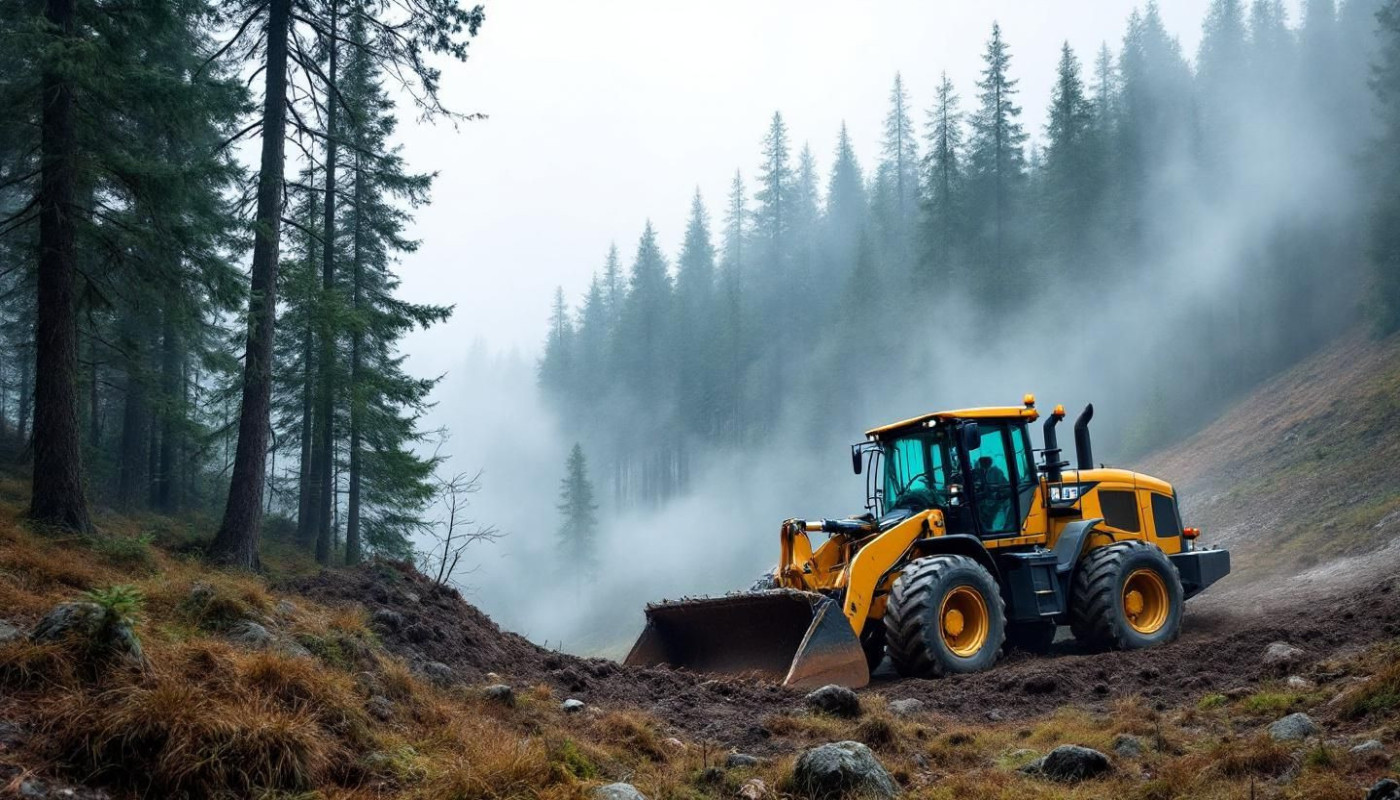
Operating forestry equipment on steep terrains presents unique challenges that demand specialized knowledge and practices. Navigating such landscapes safely and efficiently is key to protecting both workers and the natural environment. Discover the necessary strategies and expert insights in the paragraphs below to ensure optimal results in even the most demanding forestry operations.
Assessing site conditions carefully
Before deploying forestry equipment in steep terrain, conducting a meticulous site assessment is vital for safety and operational efficiency. Unstable ground, hidden obstacles such as rocks or root systems, and unpredictable weather all pose significant risks that can disrupt work or lead to accidents. Undertaking a comprehensive site assessment, including a geotechnical survey, helps identify potential hazards and ensures slope stability. By incorporating topographic mapping and accurate slope measurement techniques, forestry teams can pinpoint challenging areas and plan equipment movement accordingly. Environmental impact assessments are also critical, as steep terrain often includes sensitive ecosystems that may be easily disturbed. To achieve effective risk mitigation, the head forestry operations manager should oversee these evaluations, ensuring that data-driven decisions guide every step of the process and that the right forestry equipment is chosen for both safety and maximum productivity.
Selecting the right machinery
Machinery selection for forestry operations on steep terrain demands a comprehensive understanding of equipment safety and operational requirements. The process starts with a detailed evaluation of machine stability, focusing on weight distribution to prevent rollovers and ensure secure footing on uneven surfaces. Dynamic stability is a fundamental consideration, as machines must maintain balance and control during movement across inclines. Traction control systems are vital for navigating slippery or loose soil, while maneuverability features help equipment adapt to tight or irregular spaces commonly found in forested slopes. Matching the machinery to both the terrain’s specific challenges and the operational objectives, whether harvesting, mulching, or clearing, increases efficiency and reduces risk. Oversight by the chief equipment engineer guarantees that technical specifications, safety standards, and operational needs are meticulously aligned, providing confidence in the machinery selection for demanding environments.
When considering options, it is wise to evaluate equipment from reputable sources and seek guidance from experts who understand the nuances of forestry work in challenging locations. Useful resources enable professionals to find out which models are designed for steep terrain and offer advanced stability features. For an in-depth look at machinery suitable for such conditions, find out what specialized equipment is available to support safe and effective forestry operations on inclines.
Implementing safe operating techniques
Safe operation of forestry equipment on steep slopes demands rigorous adherence to tested procedures, all overseen by the lead safety officer. One key strategy is maintaining controlled, reduced speed to enhance machine stability and response time. Operators should consistently align the machinery perpendicular to slope contours, as this orientation helps keep the center of gravity as low and balanced as possible, reducing the risk of tipping or sliding. Comprehensive operator training is indispensable, ensuring every individual understands not only equipment controls but also the dynamics of steep slopes, safe operation, and tipping prevention. Additional preventive measures include regular inspections of braking systems, using wheel chocks when stationary, and clear communication among crew members. The lead safety officer must ensure that every operator demonstrates proficiency in these practices, safeguarding both personnel and forestry equipment in challenging terrain.
Maintaining equipment for peak performance
Routine equipment maintenance is a fundamental aspect of safely operating forestry machinery on steep terrain. Adhering to a preventive maintenance schedule is necessary for reducing the risk of sudden mechanical failures, which are more likely and more hazardous in challenging environments with uneven ground and increased mechanical strain. Regular mechanical inspection and servicing of essential components, such as hydraulic system lines, fluid reservoirs, and actuators, help detect leaks or wear before they escalate into costly breakdowns. Lubrication routines should focus on high-stress joints and moving parts, reducing friction and heat accumulation, both of which are exacerbated when machinery works on inclines. Brake system checks must be thorough, ensuring optimal performance for effective control during descents or emergency stops, while all safety devices and alarm systems should be tested for reliability. In steep terrain, forestry machinery faces higher loads, so the senior maintenance supervisor must ensure maintenance records are up to date, inspections are performed after every shift, and that any issues are addressed immediately, reinforcing productivity and operator safety.
Minimizing environmental impact
Effective forestry operations on steep terrain demand proactive approaches to limit environmental impact and support soil conservation. Implementing erosion control measures, such as contour felling and mulching, helps stabilize slopes and prevent soil loss. Responsible operators avoid excessive machinery use, selecting low-impact equipment and designated trails to minimize soil disturbance. Establishing and maintaining riparian buffers along waterways not only filters runoff but also preserves water resources and native vegetation, which are vital for habitat and ecosystem health. Careful debris management, including prompt removal or strategic placement of logging residue, reduces the risk of sedimentation in sensitive areas. Assigning the environmental compliance officer to oversee these strategies guarantees continuous adherence to best practices, ensuring forestry operations remain sustainable and compliant on steep terrain.
Similar articles
.jpeg)
Rain Chains Europe: a star is born in the UK!

The Secret Life of Compost: Organic Gold
